Wearables have become an everyday accessory. Whether it’s tracking your steps, checking your messages, or even monitoring your heart rate, smartwatches and fitness trackers promise to keep you healthier and more connected. But with so many options out there, the question remains: do you really need a smartwatch, or will a simpler fitness tracker do the job? After testing both extensively, here’s how they stack up.
What Smartwatches Do Best
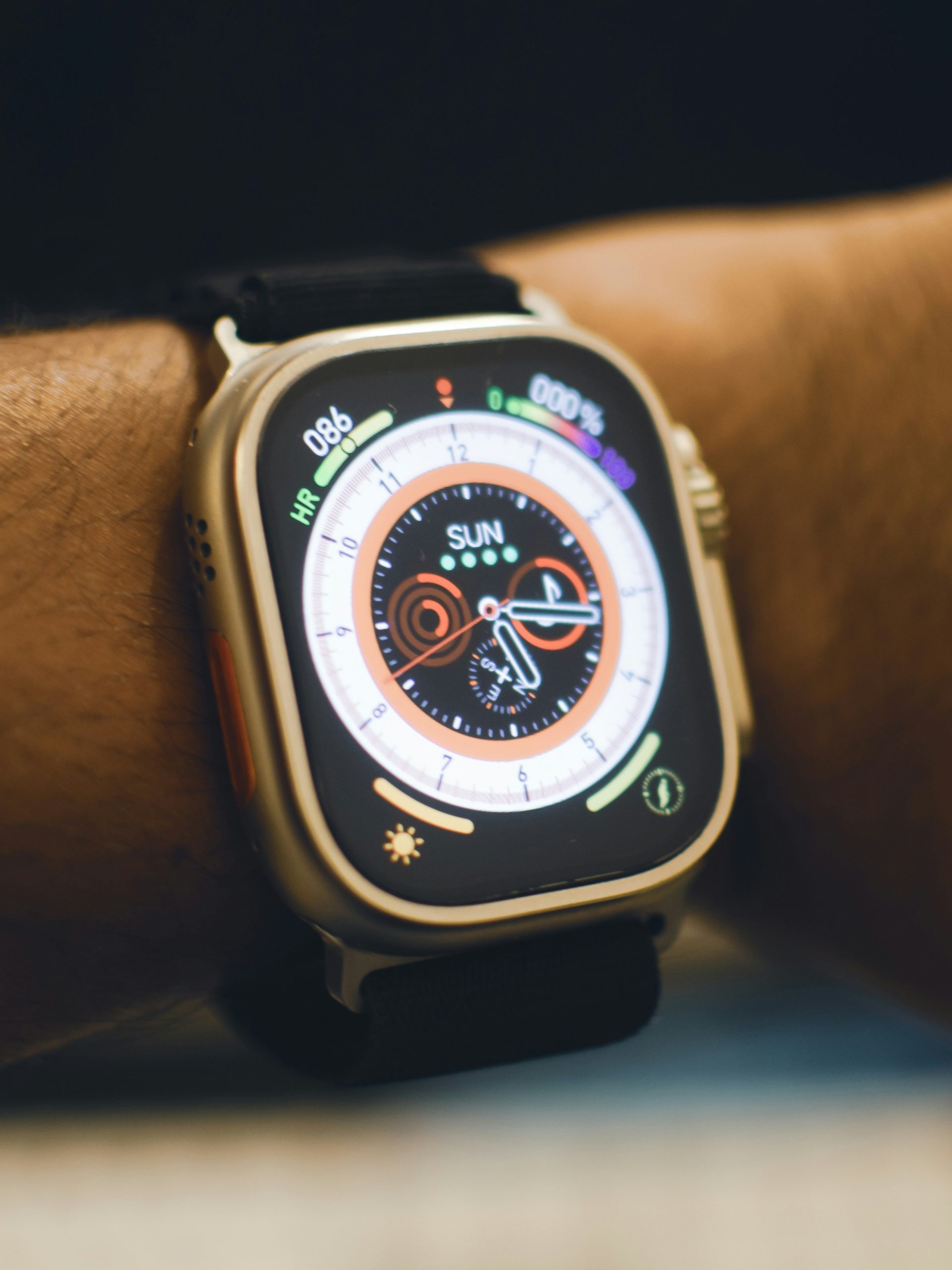
Smartwatches are essentially tiny computers on your wrist. The latest models, like the Apple Watch Series 10 or Samsung Galaxy Watch 7, go beyond fitness tracking. They let you:
- Receive and reply to notifications
- Make and answer calls
- Use apps like maps, calendars, or even payments
- Monitor advanced health data like ECGs, blood oxygen levels, and stress tracking
For people who want a blend of lifestyle and productivity features, smartwatches are unmatched. They’re stylish, customisable with watch faces, and feel like a natural extension of your phone.
Downside: The catch is battery life. Most smartwatches need charging every 1–2 days, and they tend to cost significantly more than fitness trackers.
Where Fitness Trackers Shine
Fitness trackers like the Fitbit Charge 7 or Xiaomi Mi Band 9 focus on one thing: health tracking. They excel at monitoring steps, heart rate, sleep patterns, and workouts. Some now include GPS and even stress management tools, making them great for fitness enthusiasts who don’t need all the extras of a smartwatch.
Why people love them:
- Longer battery life (up to 1–2 weeks on a single charge)
- Lightweight and comfortable
- Much more affordable than smartwatches
Downside: They usually lack advanced features like apps, voice assistants, or the ability to answer calls directly.
Who Should Get a Smartwatch?
- Busy professionals who want quick access to notifications
- People who enjoy having an all-in-one gadget
- Health enthusiasts who want advanced metrics like ECGs or continuous stress monitoring
Who Should Get a Fitness Tracker?
- Anyone on a budget who just wants reliable health and activity tracking
- People who prefer simplicity and long battery life
- Runners, cyclists, or gym-goers who only need workout stats and sleep insights
Less or More?
At the end of the day, it comes down to lifestyle. If you want something lightweight that just tracks your health, a fitness tracker is more than enough. But if you’re looking for a wrist companion that blends convenience, communication, and health monitoring, a smartwatch justifies the extra price. Either way, 2025 wearables are smarter than ever — the trick is picking the one that actually fits your needs, not just your wrist.