For a growing enterprise, the ability to store and retrieve critical information rapidly is the cornerstone of efficient operations. As organisations transition away from physical filing and local spreadsheets, the focus shifts toward creating a digital architecture that is both resilient and adaptable. This evolution is necessary to meet the demands of a global economy.
Establishing a high-performance database management framework allows businesses to maintain absolute control over their sensitive records. When data is structured within a professional environment, users can perform complex queries and generate reports with unprecedented speed. This efficiency directly impacts the agility of the decision-making process.
Data integrity remains a top priority for IT directors who must ensure that every entry is accurate and consistently formatted. By implementing validation rules and standardized entry forms, companies prevent the “garbage in, garbage out” scenario that often plagues less organized systems. This commitment to quality ensures that the insights derived are always reliable.
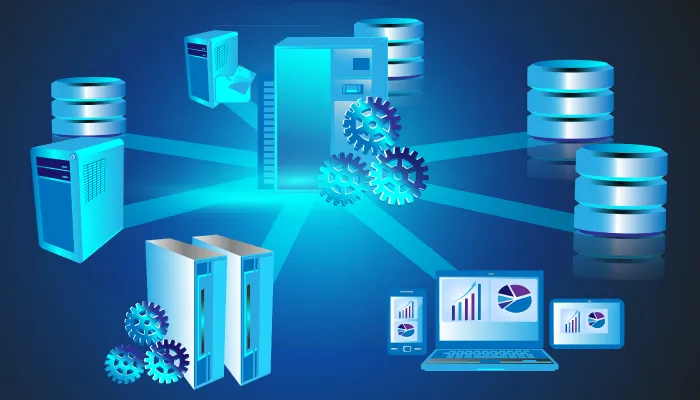
Collaboration improves significantly when multiple team members can access and update the same dataset without the risk of overwriting each other’s work. Advanced permissions and record-locking features provide a secure environment where transparency and privacy coexist. This balance is essential for maintaining smooth internal workflows across different departments.
A strategic approach to database management enables organizations to scale their operations without experiencing a drop in system performance. As the volume of transactions increases, a robust platform handles the load by optimizing indexing and storage protocols. This scalability ensures that the business infrastructure remains a catalyst for growth rather than a bottleneck.
Digital transformation is most effective when it simplifies the lives of the employees using the technology. By providing a user-friendly interface for managing complex data structures, businesses empower non-technical staff to build and modify their own applications. This democratization of technology fosters a culture of innovation and rapid problem-solving.
Consistency across different geographic locations is achieved by utilizing cloud-based architectures that offer high availability. When a centralized system serves as the heartbeat of the organization, every branch stays synchronized with the latest updates. This real-time connectivity is vital for maintaining a unified brand presence and operational standard.
Adopting a versatile Business database platform is a critical investment for companies aiming to future-proof their digital assets. Such a platform provides the flexibility to integrate with existing legacy systems while offering modern features like automated backups and audit logs. These capabilities protect the long-term viability of the corporate knowledge base.
In conclusion, the sophisticated handling of organizational data is a primary driver of modern business value. By investing in the right management structures, companies can turn their information into a competitive advantage. The journey toward a more data-driven future starts with a solid foundation built on reliability, security, and accessibility.