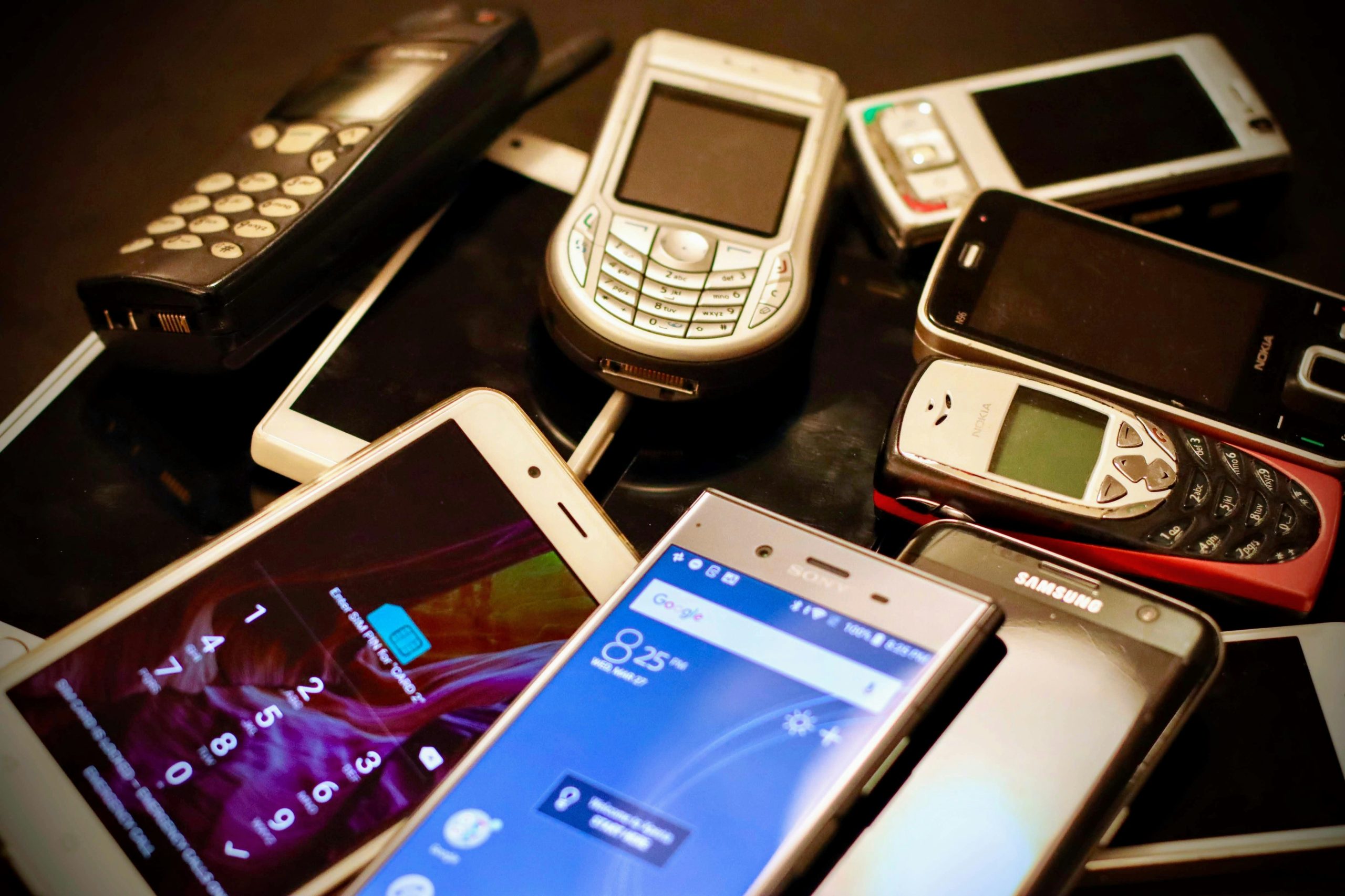
Every year, smartphone brands unveil their latest flagship devices with shinier cameras, faster processors, and sometimes even bold new designs. The hype is hard to ignore — launch events feel more like concerts, and social media floods with unboxings. But here’s the question: do we actually need to upgrade this often? In 2025, with devices more powerful than ever, maybe it’s time to rethink the upgrade cycle.
The Marketing Machine
Let’s face it — tech companies thrive on creating FOMO (fear of missing out). Each new release promises “game-changing” features that make last year’s phone feel outdated. The reality, however, is that the leap between generations has shrunk. What used to be major improvements are now small refinements: a slightly brighter screen, a marginally faster chip, or a new camera mode you might use twice.
Modern Phones Last Longer
Unlike a decade ago, today’s smartphones are built to last. Flagship and even mid-range models come with strong processors, reliable cameras, and durable materials. Software support has also improved: Apple now provides 6–7 years of updates, while Android brands like Samsung and Google are catching up with extended security patches. That means your phone is not obsolete after two years — far from it.
The Environmental Cost
Frequent upgrades don’t just hit your wallet — they impact the planet. Smartphones require rare earth metals and complex manufacturing processes, contributing to electronic waste and carbon emissions. By keeping your phone longer, you’re reducing e-waste and playing a small but meaningful role in sustainability.
When Should You Actually Upgrade?
- Performance slows down: If apps lag and multitasking feels painful.
- Battery health drops: Replacements can help, but if charging becomes constant, it may be time.
- Outdated software: Once updates stop, your phone becomes vulnerable to security risks.
- New needs arise: Maybe you’ve started mobile gaming, vlogging, or need better cameras for work.
Final Thoughts: The Smarter Choice
Upgrading your phone every year might satisfy that craving for the “latest and greatest,” but most of the time, it isn’t necessary. Holding onto your device for 3–5 years not only saves money but also reduces waste and stress. In 2025, the smarter flex isn’t having the newest phone — it’s making the most out of the one you already own.