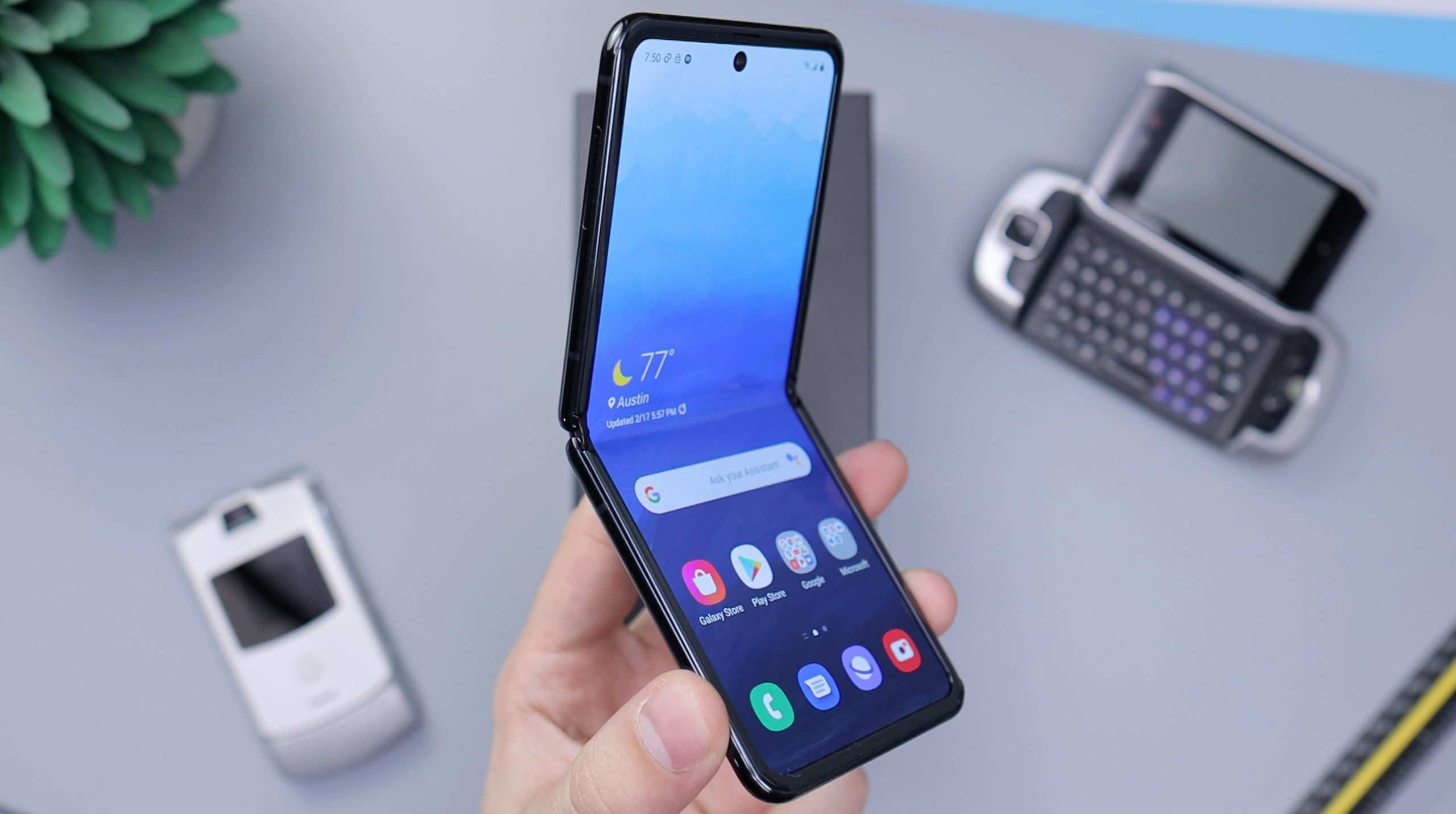
When foldable smartphones first appeared a few years ago, many people dismissed them as gimmicks. Screens that bent? Hinges that could break? Prices that made your wallet cry? It felt like a tech experiment rather than a revolution. Fast forward to 2025, and foldables are everywhere — from Samsung’s Galaxy Z line to newcomers like Honor, Oppo, and even Apple’s long-rumoured entry. The big question now is: are foldables the future, or are they still a niche luxury?
Why Foldables Took Off
Foldables solved a problem we didn’t know we had: screen size. People wanted bigger displays for streaming, gaming, and productivity, but also wanted compact devices. A foldable phone delivers both — a tablet when you need it, and a pocket-sized phone when you don’t. Add to that improved durability, water resistance, and slimmer designs in recent models, and suddenly foldables aren’t just futuristic toys — they’re practical.
The Benefits of Foldable Phones
- Multitasking power: Run two or three apps side by side on a larger screen.
- Entertainment value: Watching movies or gaming feels far more immersive.
- Versatility: One device replaces the need for both a phone and a small tablet.
- Style factor: Let’s be honest — foldables still turn heads when you flip them open.
The Challenges Holding Them Back
But foldables aren’t perfect. Even in 2025, they face hurdles:
- Price: Foldables still cost significantly more than traditional smartphones.
- Durability concerns: While much improved, hinges and foldable screens remain points of worry for long-term use.
- Battery life: Bigger screens drain power faster, and fitting larger batteries into foldable designs is a challenge.
- App optimisation: Not all apps scale perfectly for foldable screens, leaving awkward layouts at times.
Are Foldables Really the Future?
The truth is, foldables are no longer a fad — but they may not completely replace regular phones either. Instead, they’re carving out a strong premium category, much like how SUVs in the car industry didn’t eliminate sedans but became the popular choice for many buyers. Foldables will likely co-exist with standard smartphones, appealing to people who value productivity, style, and versatility.
Final Thoughts: A Flip or a Flop?
In 2025, foldables have proven they’re more than just flashy experiments. They’re durable, functional, and increasingly accessible. But whether they’re the “future” depends on how prices drop and whether mainstream users see enough value beyond the wow factor. For now, they represent the cutting edge of smartphone design — and if you can afford one, they’re as fun as they are functional.